Learn · Industry Applications
Custom Chocolate and Food Moulds: A Guide for F&B Brands
A chocolate in the shape of your logo. A seasonal pastry nobody else has. A tray that holds every product perfectly. Custom moulds let food brands stand out — and 3D printing makes them faster and easier to develop than ever.
Three ways to bring a food design to life
| Route | What it is | Best for |
|---|---|---|
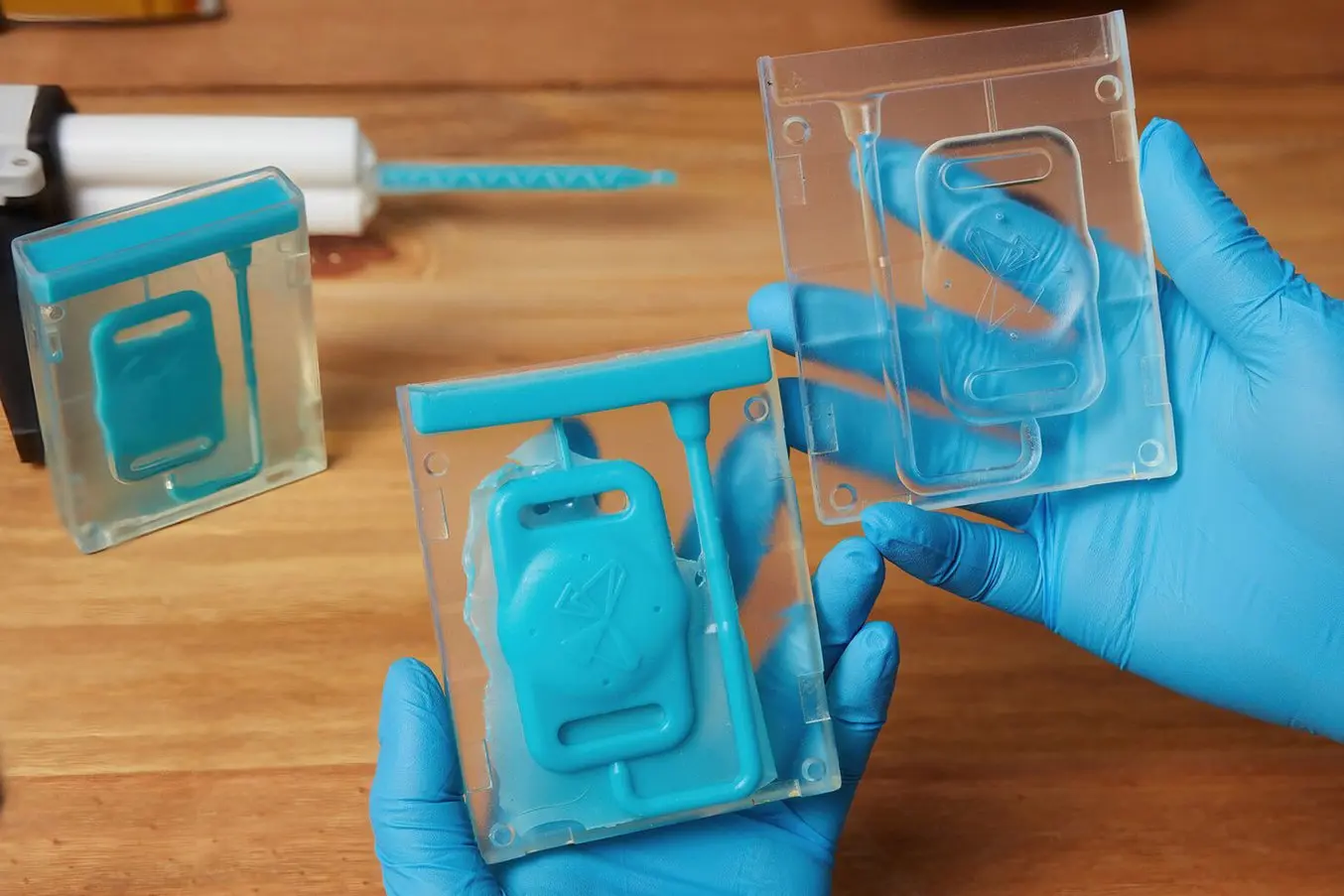
| Food-grade silicone moulds | Flexible moulds cast from a 3D printed master | Intricate confectionery, chocolates and artisanal pastries; detailed or organic shapes; small and medium batches |
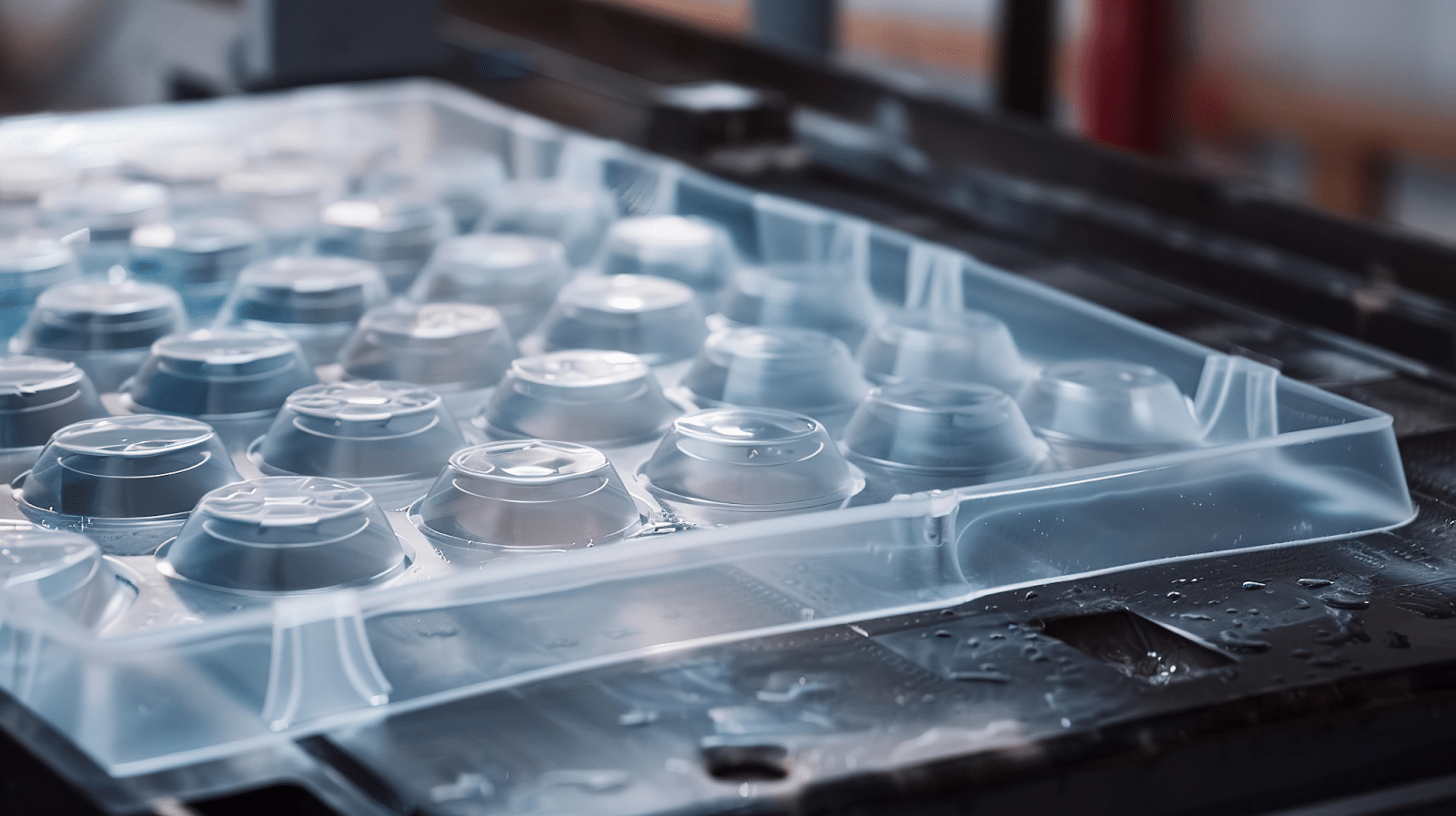
| Thermoformed moulds and trays | Plastic sheet heated and formed over a mould | High-efficiency mould production for mass food packaging and consistent tray forming, optimised for speed and cost |
| Laser-cut stencils | Thin stencils cut precisely from a digital design | Cake decorating, culinary dusting and bespoke branding on artisanal products |
Silicone or thermoformed?
Choose silicone when…
- Your design has fine detail, texture or undercuts — silicone flexes, so it releases shapes a rigid mould can’t.
- You make artisanal or small-batch products, or want to test a design before scaling up.
- You need moulds for chocolate, cake, jelly or other confectionery.
Choose thermoformed when…
- You need many identical moulds or trays at a low cost per piece.
- The shape is simple enough to release from a rigid mould — with draft and no undercuts.
- You also need packaging trays that hold products securely.
Read more: silicone moulds from 3D printed masters and thermoforming with 3D printed moulds.
From idea to production: the process
- Share your idea. A sketch, a photo, your logo or an existing product is enough to start.
- Create the 3D design. We turn your idea into a 3D model — logos and drawings can be converted with our 2D to 3D conversion service, and existing products can be 3D scanned.
- 3D print the master. A detailed master is printed and finished — every detail on it will appear on your product.
- Make a sample mould. A first silicone or thermoformed mould is made from the master.
- Test with your product. Try it with your chocolate, batter or filling, and check release, detail and size.
- Produce. Once approved, the moulds are produced in the quantity you need — and the master can be reused for more moulds later.
Food safety basics
- The mould is what touches food — not the 3D print. The 3D printed master is only used to make the mould.
- Silicone food moulds use platinum-cured silicone in grades certified for food contact. Tin-cured silicone is not used for food.
- Thermoformed food moulds and trays need food-contact grade sheet. Confirm the grade with your supplier for your product and process.
- Clean and inspect moulds before first use and regularly in production.
Design tips for chocolate and confectionery moulds
- Mirror text when designing the mould directly. Lettering must read backwards in the mould to read correctly on the product. If you model the product and subtract it from a block, this happens automatically.
- Make logos bold enough. Very thin lines and tiny text may not fill or release cleanly with thick materials such as chocolate.
- Add draft for rigid moulds. Slightly tapered cavity walls help products release from thermoformed moulds. Silicone is more forgiving.
- Round internal corners. Sharp corners trap air and are fragile on the finished product.
- Keep cavity depth consistent so products set evenly, and leave space between cavities for scraping and handling.
How Quick 3D can help
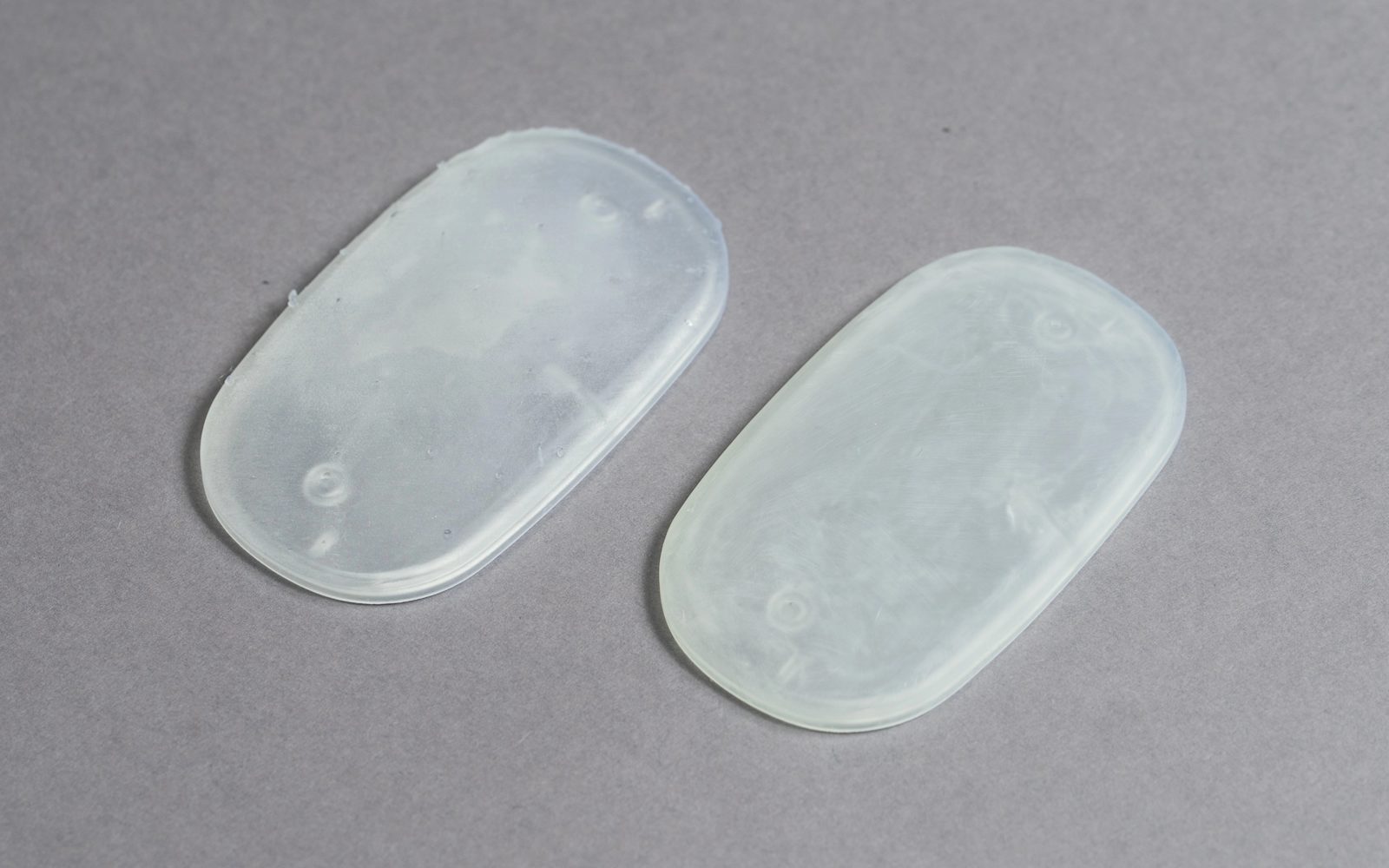
We create expertly crafted food-grade silicone moulds for intricate confectionery, chocolates and artisanal pastries, thermoformed moulds for food packaging and tray forming, and precision laser-cut stencils for decorating and branding. Tell us what you want to make and we’ll recommend the best route. See our F&B mould service.
Frequently asked questions
Can you make a chocolate mould of my logo?
Yes. Send us your logo file or image. We convert it into a 3D design, 3D print a master and make the mould from it — silicone for detailed shapes, or thermoformed for larger quantities.
Are 3D printed moulds food safe?
The food-contact mould should be made from a food-grade material, such as platinum-cured silicone certified for food contact or food-contact grade thermoforming sheet. The 3D print is used as the master to make the mould, not as the food-contact surface.
Should I choose a silicone or a thermoformed mould?
Silicone suits detailed shapes, undercuts and small batches. Thermoformed moulds suit simpler shapes and larger quantities at a lower cost per mould, and the same process can make packaging trays.
Do you make cake stencils?
Yes. We make high-precision laser-cut stencils for cake decorating, culinary dusting and bespoke branding.
Have a product idea?
Send us your sketch, logo or sample. We’ll recommend the right mould type and show you how to bring it to life.
Get a QuoteWhatsApp Us