Thermoforming
Recreate shapes in minutes with industrial-grade vacuum forming.


Ideal low-volume production runs or one-offs
Source custom thermoformed parts — trays, panels, housings or packaging — reliably in one place. Quick 3D provides cost-effective vacuum forming for both prototypes and low-volume production, with expert support at every stage from quote to delivery.
Typical parts
- Food moulds
- End-use engineering parts
- Automotive parts
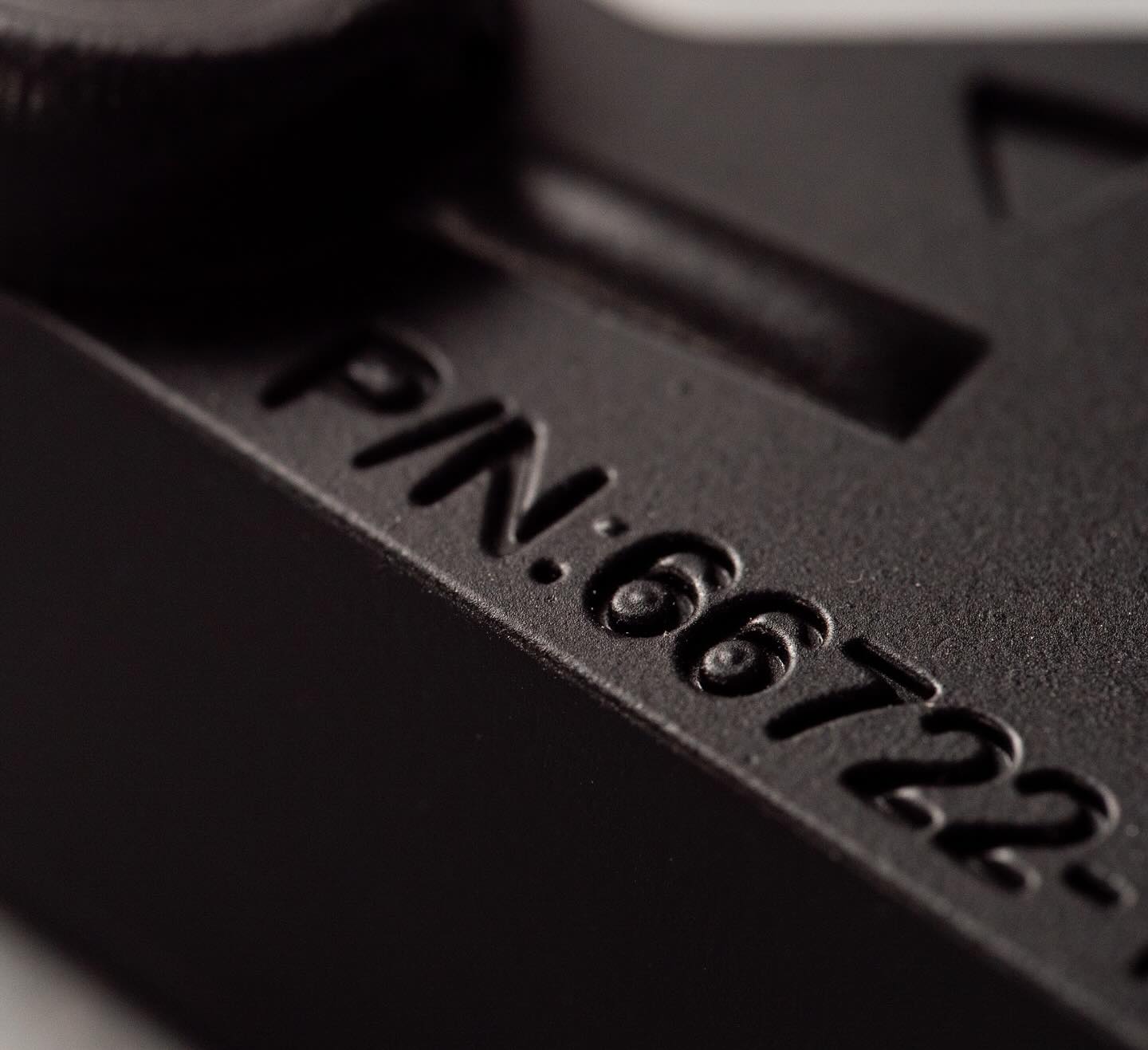
Materials for Thermoforming
Choose from a wide range of thermoplastic sheet materials
- HIPS
- ABS
- PVC
- PETG
- ACRYLIC
- PC
- PE
- PP
- EVA
- Kydex®
Application & Case Studies
Industrial pressure forming for in-house manufacturing


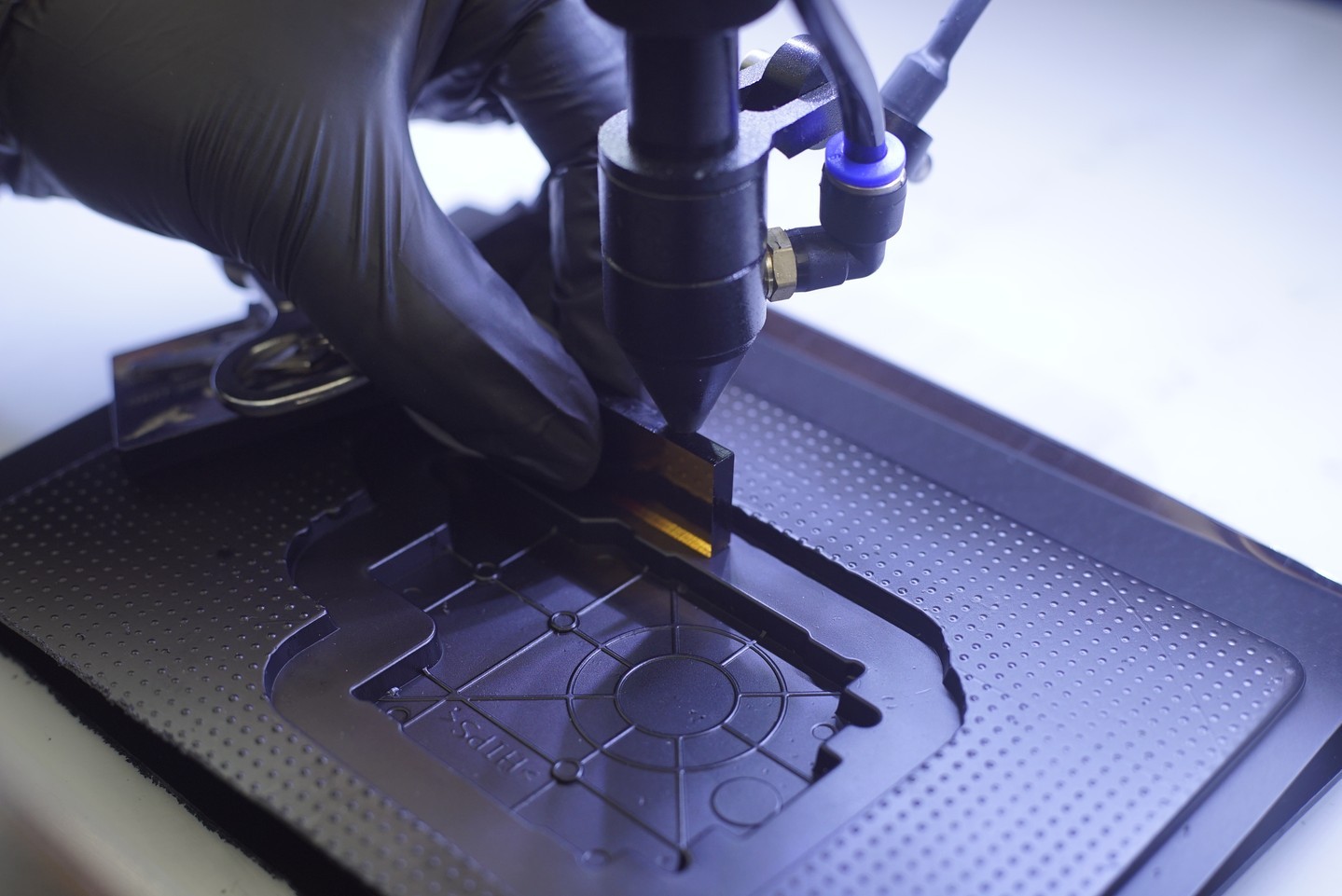


How thermoforming works
Thermoforming — also called vacuum forming — heats a plastic sheet until it softens, draws it tightly over a mould with vacuum, then lets it cool and set. The formed part is trimmed from the sheet. Because the mould only shapes one side of the part, tooling is far quicker and cheaper than for injection moulding, and the mould itself can be 3D printed.
Make the mould
We 3D print a mould from your CAD file — or from a 3D scan of an existing part — so there is no metal tool to machine.
Form the sheet
The chosen thermoplastic sheet is heated and vacuum-formed over the mould to take its exact shape.
Trim and inspect
Each part is trimmed from the sheet, finished and inspected before delivery.
What we thermoform
Thermoforming suits thin-walled parts with one finished side — ideal for prototypes, one-offs and low-volume production runs.
Trays and inserts
Handling trays, component trays and packaging inserts that hold parts securely.
Covers, panels and housings
Lightweight covers, guards, panels and housings for machines and products.
Food moulds
Thermoformed moulds for chocolate and other confectionery, made from a 3D printed master.
Automotive parts
Covers, trims and prototype panels for automotive projects.
End-use engineering parts
Functional thin-walled parts for low-volume production without injection-moulding tools.
Packaging
Custom packaging shaped to fit and protect your product.
Choosing a sheet material
We form a wide range of thermoplastic sheets. The table below is a quick general guide — tell us what the part must do and we will recommend a sheet.
| Sheet | Typical properties | Common uses |
|---|---|---|
| HIPS | Low cost, easy to form, takes paint well | Prototypes, display models, packaging trays |
| ABS | Tough and rigid with good impact strength | Covers, housings, automotive trims |
| PETG | Clear, tough and impact-resistant | Packaging, clear covers, displays |
| Acrylic | Clear, rigid and glossy | Display parts, clear covers |
| PC (polycarbonate) | Very high impact strength, clear, heat-resistant | Guards, protective covers, lenses |
| PVC | Rigid, durable and chemical-resistant | Trays, enclosures, industrial covers |
| PE and PP | Flexible, tough and chemical-resistant | Trays, liners, containers |
| EVA | Soft, flexible and cushioning | Protective inserts and padding |
| Kydex® | Tough, impact-resistant and durable | Protective cases and covers |
Frequently asked questions
What is thermoforming used for?
Thermoforming makes thin-walled plastic parts such as trays, packaging, covers, panels, housings, food moulds and automotive trims. It is ideal for prototypes, one-offs and low-volume production.
Is thermoforming good for low volumes?
Yes. Because the mould only shapes one side of the part and can be 3D printed, tooling costs are low — so thermoforming is cost-effective for one-off parts and low-volume runs.
Can you make the mould for me?
Yes. We can 3D print the thermoforming mould from your CAD file, or 3D scan an existing part and build the mould from the scan. See 3D scanning and reverse engineering.
Thermoforming or injection moulding — which should I choose?
Thermoforming suits larger, thin-walled parts with one finished side and lower quantities, with much cheaper tooling. Injection moulding suits solid, detailed parts with two finished sides in very high volumes. Read our 3D printing vs injection moulding guide for more on tooling cost.
Which plastic sheets can you thermoform?
We form HIPS, ABS, PVC, PETG, acrylic, PC, PE, PP, EVA and Kydex® sheet. Tell us what your part must do and we will recommend the best option.
Talk to our thermoforming experts.
Share your part, drawing or idea, and we will recommend the right sheet material, mould and cost.