
Flame-Retardant Materials
Print parts that resist ignition and self-extinguish — for enclosures, interiors and electrical components that must meet fire-safety requirements.
Benefits of 3D Printing Flame-Retardant Parts
Flame-retardant materials resist burning and stop a flame from spreading once the ignition source is removed. They are specified wherever a part sits near heat, electricity or people — from electrical housings to vehicle and aircraft interiors. Note that heat resistance and flame retardancy are not the same: learn the difference in What is UL94 V-0?
Self-Extinguishing Parts
Flame-retardant grades are formulated to stop burning when the flame is removed, reducing the risk of fire spreading through an assembly.
Built to Recognised Standards
Choose materials tested to UL94 V-0, including ULTEM™ 9085, which is FAA-approved for flame, smoke and toxicity (FST) applications and meets FAR 25.853.
Safer Electrical Enclosures
Protect people and equipment with housings, covers and brackets for electrical and electronic assemblies that must not feed a fire.
No Tooling, Fast Iteration
Print prototypes and low-volume end-use parts in certified materials without moulds, so you can test fit and compliance before production.
Flame-Retardant Materials We Offer
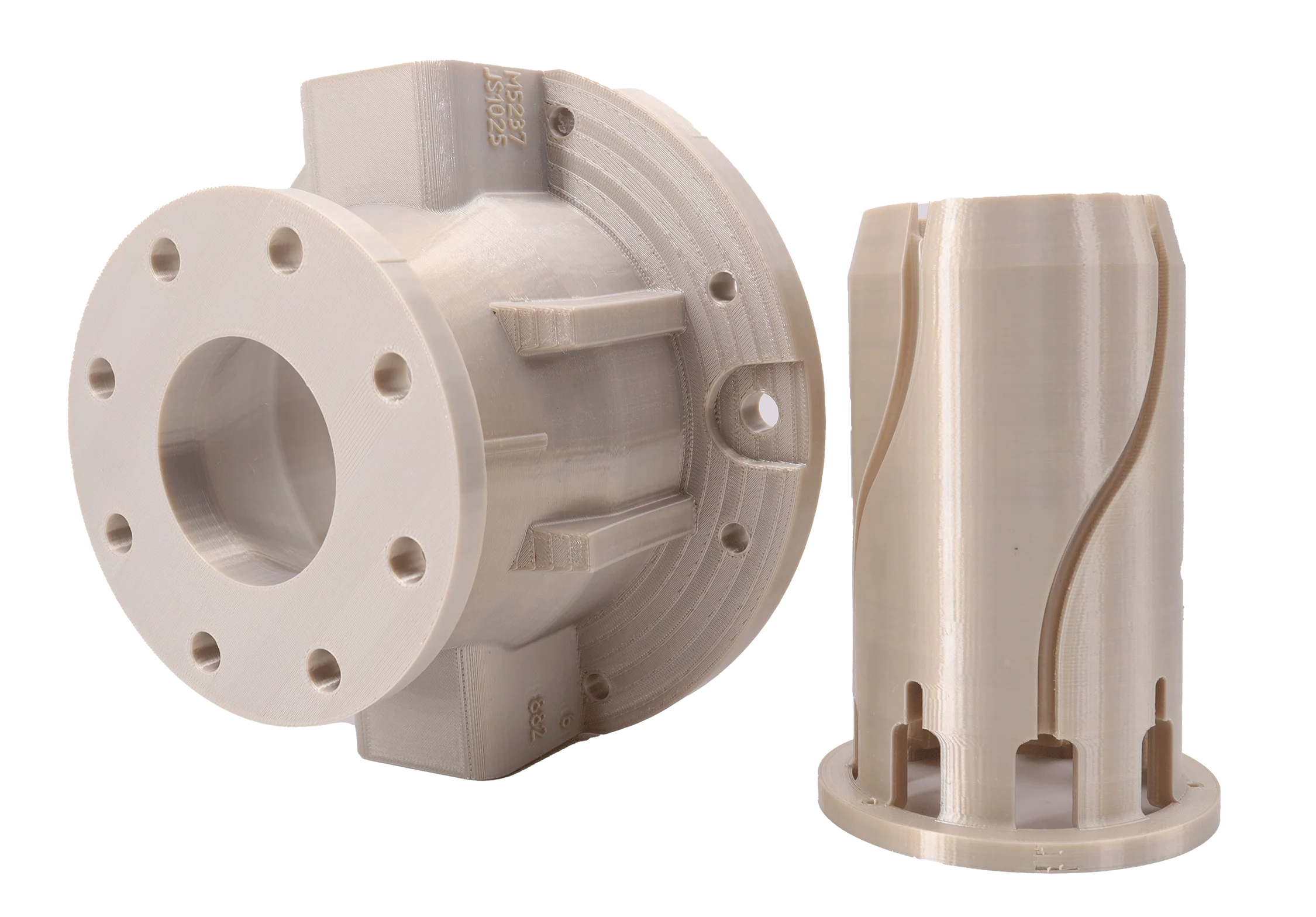
ULTEM™ PEI 9085 (FDM)
FAA-approved for FST applications and meets FAR 25.853 and OSU 65/65. A high-performance thermoplastic for aircraft interiors, ducting and housings that also need to handle heat.
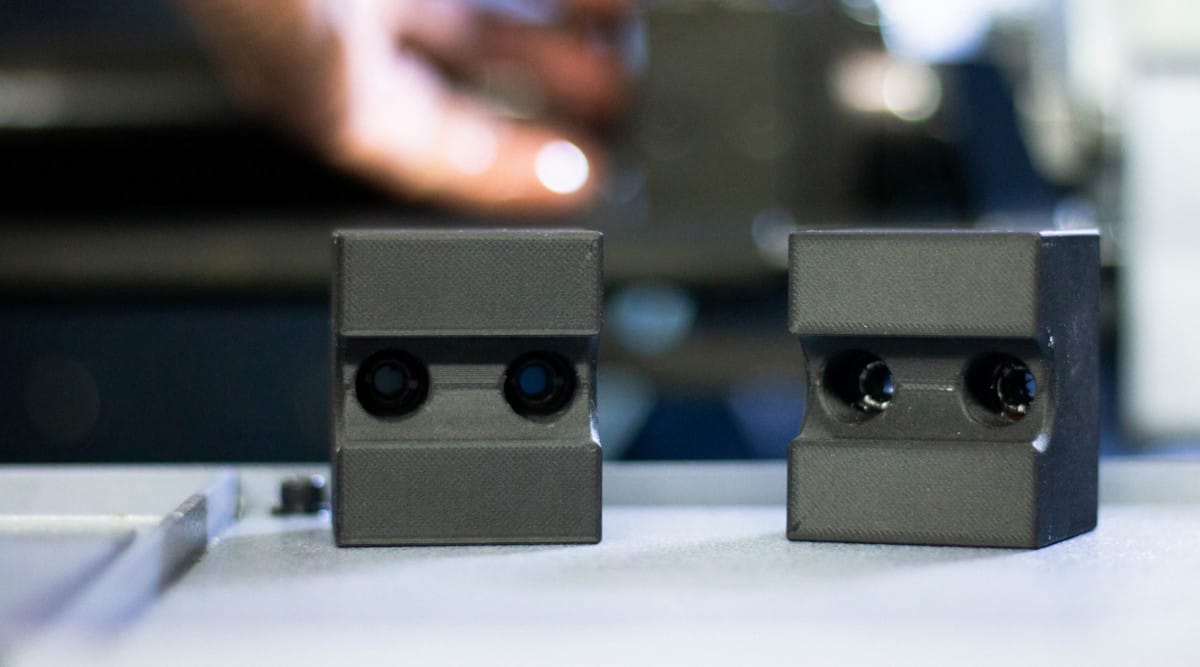
Carbon Fiber FR (FDM)
Markforged Continuous Carbon Fiber FR reinforces parts for high stiffness and strength while staying flame-retardant — for strong brackets, fixtures and enclosures.
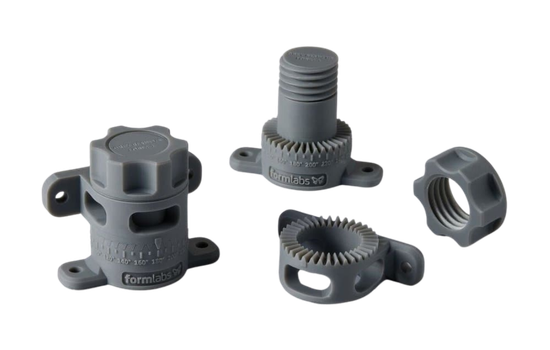
Flame Retardant Resin (SLA)
Formlabs Flame Retardant Resin is UL94 V-0 rated and self-extinguishing, giving detailed, smooth parts for electrical housings, connectors and interior components.
Materials Finder
Not sure which material meets your fire-safety requirement? Find it in minutes.
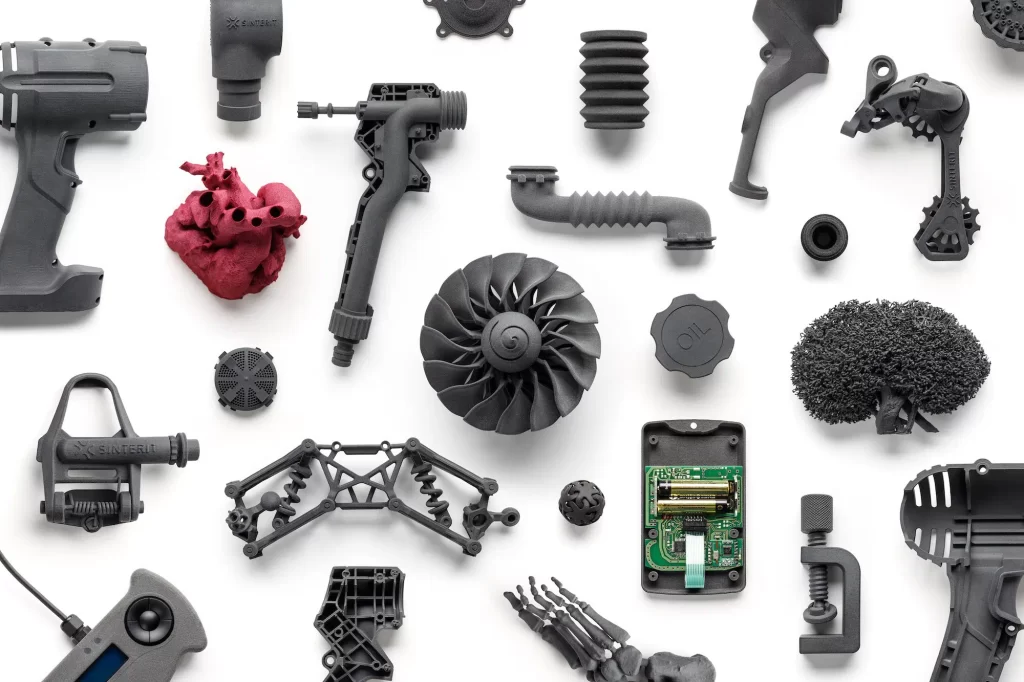
*The ULTEM™ and 9085 trademarks are used under license from SABIC, its affiliates or subsidiaries. All other product names are trademarks of their respective owners.
Applications
Flame-retardant parts are used wherever fire safety matters — in aircraft and drone interiors, vehicle cabins, and electrical and electronic equipment. 3D printing lets you make them on demand, in low volumes, without tooling.
Electrical Enclosures
Housings and covers for power supplies, controllers and switchgear.
Aircraft Interior Parts
Ducting, brackets and cabin components in FST-compliant ULTEM™ 9085.
Drone & UAV Components
Battery housings and avionics mounts that must resist ignition.
Cable Management
Clips, grommets and trunking parts that sit close to wiring and heat.
Connector Housings
Insulating housings for connectors, terminals and circuit boards.
Vehicle Cabin Parts
Interior trims and brackets for rail, bus and specialty vehicles.
Battery & Charging Fixtures
Covers and fixtures used around battery packs and charging equipment.
Lighting Housings
Covers and bezels for lamps and LED modules that run warm.
Frequently asked questions.
What does flame-retardant mean for a 3D printed part?
A flame-retardant part resists catching fire and stops burning once the flame is removed. This is different from heat resistance, which describes how well a part keeps its shape when hot. Some materials do both; many do only one.
What is UL94 V-0?
UL94 is a flammability test for plastics. V-0 is one of its highest ratings: a vertical test bar must stop burning within 10 seconds and must not drip flaming particles. See our guide What is UL94 V-0?
Which flame-retardant materials do you offer?
ULTEM™ PEI 9085 and Markforged Continuous Carbon Fiber FR on FDM, and Formlabs Flame Retardant Resin on SLA. We can share technical data sheets so you can confirm each material against your requirement.
Which material is suitable for aircraft interiors?
ULTEM™ 9085 is FAA-approved for flame, smoke and toxicity (FST) applications and meets FAR 25.853 and OSU 65/65, which makes it a common choice for aircraft and drone interior parts.
Can you print a prototype before production?
Yes. We print prototypes and low-volume end-use parts with no tooling and no minimum order, so you can test fit, function and compliance first.
Take the Next Step.
Share a few details about your project so our manufacturing experts can call you with the right material, cost, and production solution for your business.
Talk to  Additive Manufacturing Specialist now.