PolyJet capabilities
PolyJet™ 3D printing service
Our PolyJet™ Capabilities
Multi-material precision. Photorealistic detail.
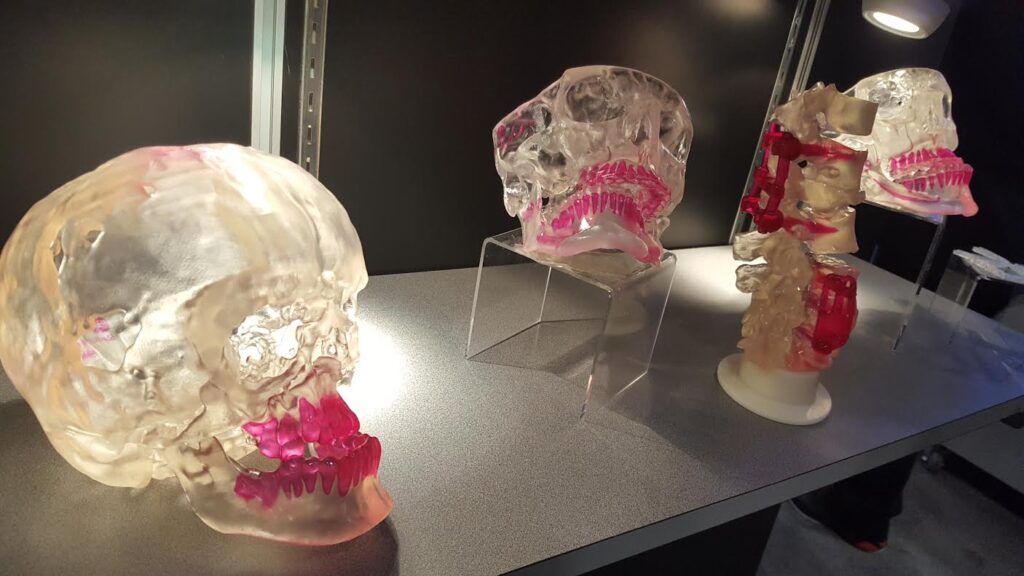
Experience the ultimate in multi-material prototyping. Our PolyJet capabilities allow you to combine varying colors, transparencies, and material flexibilities into a single, seamless print. With the ability to simulate overmolding, rubberized grips, and clear lenses in a single build, PolyJet brings unprecedented realism to complex visual and ergonomic models.
PolyJet™ 3D Printers that we used
Micro-droplet jetting. Flawless layering.
Microscopic accuracy, layered with absolute precision. Our fleet of advanced PolyJet systems operates similarly to high-end inkjet printers, jetting photopolymer droplets down to the micron level before instantly curing them with UV light. This ultra-fine deposition delivers exceptionally smooth surfaces, crisp text, and complex multi-material fidelity.

Materials available in our PolyJet™
A full spectrum of textures. Engineered to simulate.

Stratasys MED610 (Bio-Clear)
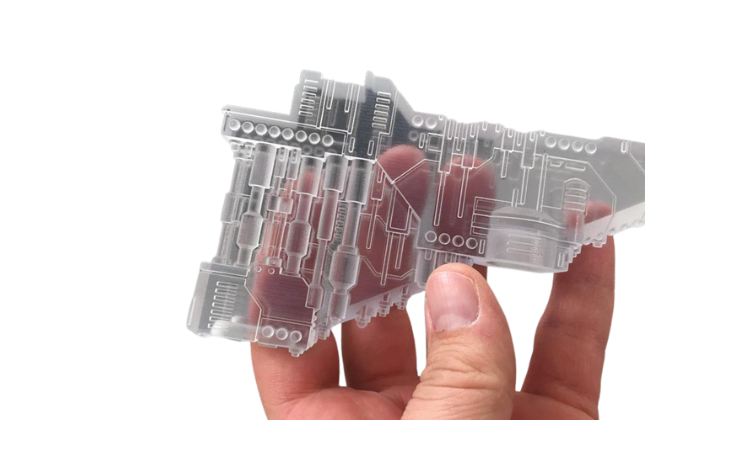
Stratasys VeroClear (Clear)


Stratasys Vero+Agilus (Full-Color)
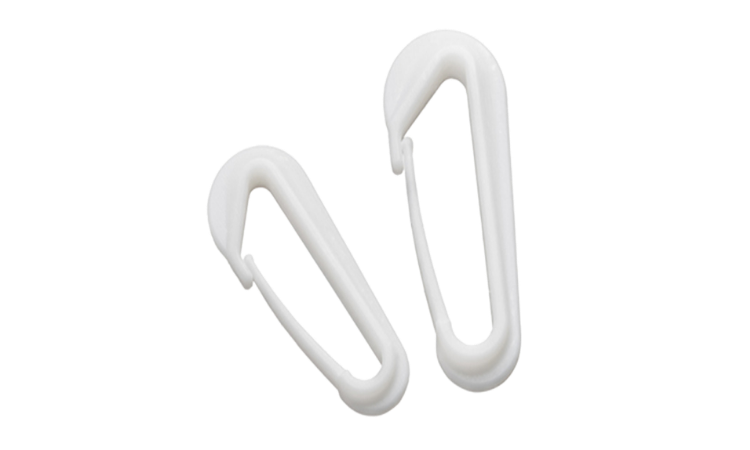
Stratasys Rigur (PP-like)

Stratasys Agilus+Vero (Rubber-Like)

3D Systems Visijet M3 X (Frosted Detail)

3D Systems M3 Crystal (Bio-Clear)
Materials Finder
Compare PolyJet materials by colour, clarity and flexibility — and find the right one in minutes.
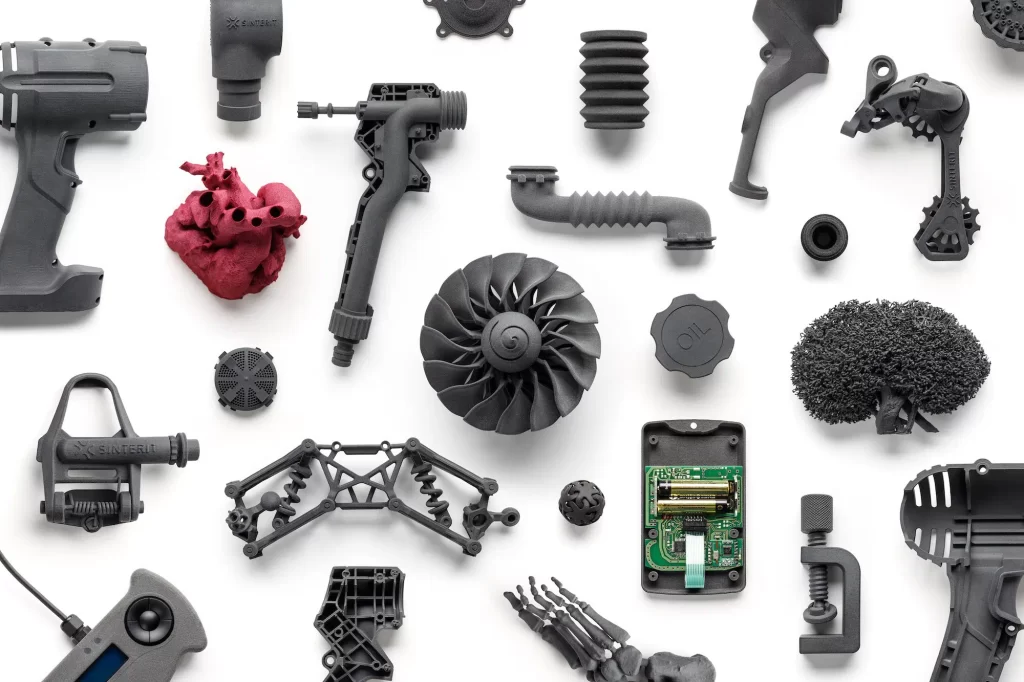
The PolyJet™ Gallery
Where vision meets absolute realism.


Post-Processing for PolyJet™
Effortless support removal. Pristine clarity.
Transforming intricate layers into consumer-grade realism. Our PolyJet post-processing workflow utilizes automated, non-abrasive water jetting and specialized chemical baths to completely dissolve matrix support materials without damaging delicate features. From there, we offer premium hand-polishing and clear-coating techniques to elevate transparent resins to optical-grade clarity and give multi-colored parts a flawless, shelf-ready finish.
Frequently asked questions
What is PolyJet 3D printing?
PolyJet jets micro-droplets of photopolymer and instantly cures them with UV light, allowing multiple colours, transparencies and flexibilities to be combined in a single print.
What is PolyJet best used for?
PolyJet is ideal for realistic prototypes — simulating overmoulding, rubberised grips and clear lenses in one build — as well as ergonomic consumer-product models and anatomical medical models.
Which PolyJet materials do you offer?
We offer Stratasys VeroClear, Digital ABS Plus, Vero and Agilus full-colour, Agilus rubber-like, Rigur (PP-like) and MED610, plus 3D Systems VisiJet M3-X and M3 Crystal.
How fast is your PolyJet 3D printing service?
PolyJet parts can be ready in as little as 7 days, depending on part size, quantity and finishing.
How are PolyJet parts finished?
Support material is removed with water jetting and chemical baths that protect delicate features. We also offer hand-polishing and clear-coating for optical-grade clarity.
Take the Next Step.
Share a few details about your project so our manufacturing experts can call you with the right material, cost, and production solution for your business.
Talk to  Additive Manufacturing Specialist now.